
It was 11 PM in the basement kitchen of a five-star hotel in Delhi, and Chef Kishore was furious with me.
Not in a dramatic, Gordon Ramsay kind of way. Just a slow, quiet fury — the kind that’s worse. I had, in my enthusiasm as a twenty-two-year-old sous chef trying to prove myself, turned up the flame on the dal makhani. We had a banquet in six hours. I thought I was being helpful. I thought I was saving time.
Chef Kishore walked over, turned the knob back down without a word, and said: “Jaldi ka kaam, shaitan ka.” The devil’s work is done in haste. Then he walked away.
I stood there, a little humiliated, watching the pot settle back into its low, lazy simmer. And in that moment — though I didn’t fully understand it yet — I received the most important leadership lesson of my career.
* * *
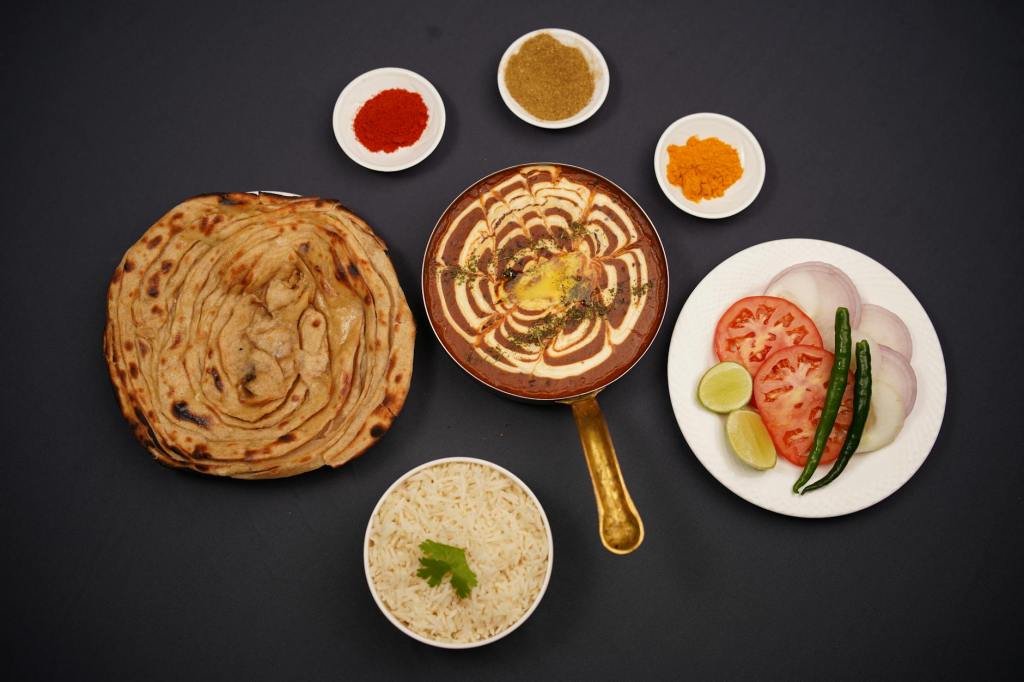
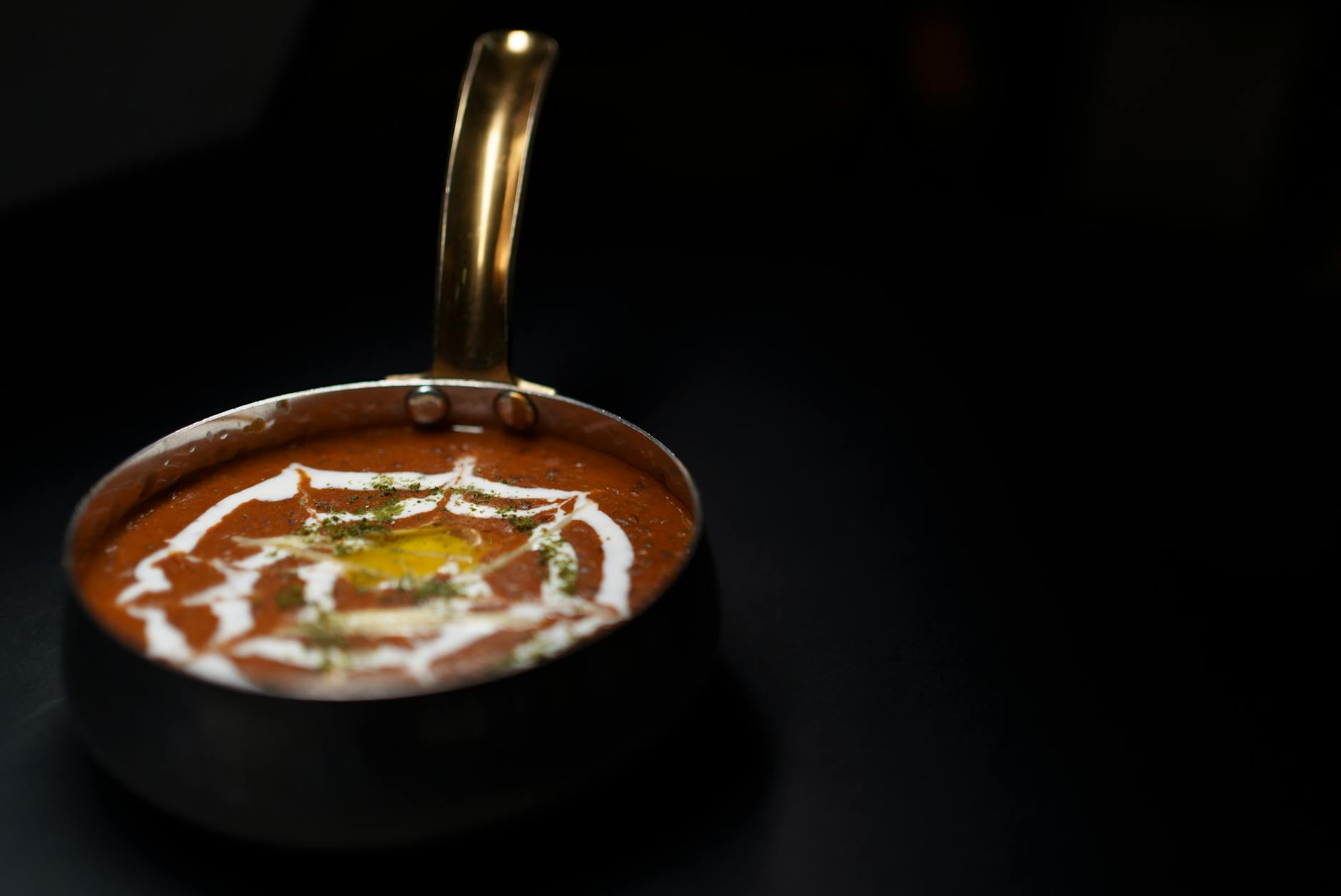
Dal makhani is deceptively simple. Black urad lentils, kidney beans, butter, cream, tomatoes, ginger, garlic. The recipe fits on a single index card. Any cook can recite it. But the thing nobody tells you — the thing you can only learn by standing at a stove for years — is that the dish is entirely about time.
The lentils need to be soaked overnight. Then cooked until they surrender completely. Then simmered, sometimes for twelve hours, sometimes eighteen, on a flame so low you have to watch to confirm it’s still on. The fat from the butter slowly marries the starch from the lentils. The tomatoes break down, then break down again. The cream doesn’t enrich the dish so much as it quietly becomes the dish.
You cannot rush this. You can try — and I have tried — but what you get is something technically edible and experientially hollow. The flavour isn’t there. The texture isn’t there. The soul, if a dish can be said to have one, is absent.
Chef Kishore used to say that the best dal makhani he ever ate was from a dhaba on the outskirts of Amritsar where the owner had been cooking the same pot, continuously, for eleven years. Replenishing it, yes. Cleaning it, yes. But never letting it go cold. I thought he was exaggerating. Now, twenty-four years later, I’m not so sure.
* * *
I’ve thought about that night in the Delhi kitchen many times over the course of my career — when I was setting up QSR kitchens and being told we needed faster prep cycles, when I was designing menus for hotel chains and the pressure was always to standardise and speed up, when I was coaching young culinary professionals who wanted to jump from trainee to executive chef in three years.
The lesson of the dal makhani is not about cooking. Or rather, it’s not only about cooking.
It’s about the difference between activity and progress. Between looking busy and actually building something. Between the kind of leadership that makes noise and the kind that quietly transforms everything around it.
Some of the best work I’ve ever done in my career — the menus that actually landed, the teams that actually gelled, the hospitality programmes that genuinely moved guests — came out of long, unhurried thinking. Out of letting ideas simmer. Out of resisting the pressure to serve something before it was ready.
We live in an industry — in fact, in a culture — that rewards speed. The faster you respond to a brief, the sharper you seem. The faster you launch a product, the more agile you are. The faster you grow a team, the more impressive your metrics look. But fast food, in every sense of the phrase, often tastes like nothing.
* * *
There’s a particular kind of anxiety that young professionals carry — I carried it myself — which is the fear of being perceived as slow. Of not keeping up. Of being left behind by someone who moves faster, produces more, says yes louder.
I want to push back against that, gently but firmly.
The mentors I’ve had — the Chef Kishores of my life — were not slow people. They were precise people. There is a difference. They moved at exactly the speed the work required. No faster, no slower. They had the confidence to let a process take its time, because they had watched enough processes to know what patience produces.
In the twenty-four years I’ve spent in kitchens, hotels, QSR boards and hospitality classrooms, the professionals I’ve watched rise to genuine mastery — not just title, but actual mastery — have all shared this quality. They were not the ones who were always in a hurry. They were the ones who knew when to wait.
* * *
These days, when I’m working with young chefs or hospitality managers just starting out, I sometimes tell them the story of the dal makhani. A few of them look politely interested. One or two look at me like I’m romanticising the past.
But occasionally — and this is the moment I love — I see something register in someone’s eyes. A small recognition. Because they’ve felt it too. The pull of the slow flame. The knowledge that some things cannot be hurried.
Last month, I made a dal makhani at home. I soaked the lentils the night before. I cooked them on the lowest flame my stove allowed for the better part of a Sunday afternoon. My daughter walked into the kitchen and said it smelled like a restaurant.
I told her it smelled like patience. She rolled her eyes, as teenagers do.
But she had two helpings. And didn’t say a word while she ate.
Sometimes the dish speaks for itself.
* * *
What’s something in your work or life that you’ve been trying to rush — and what would happen if you just turned the flame down?
───────────────────────────────────────────────────
askrahulcollective.com | Food, Books, Birds & More!


Leave a Reply