
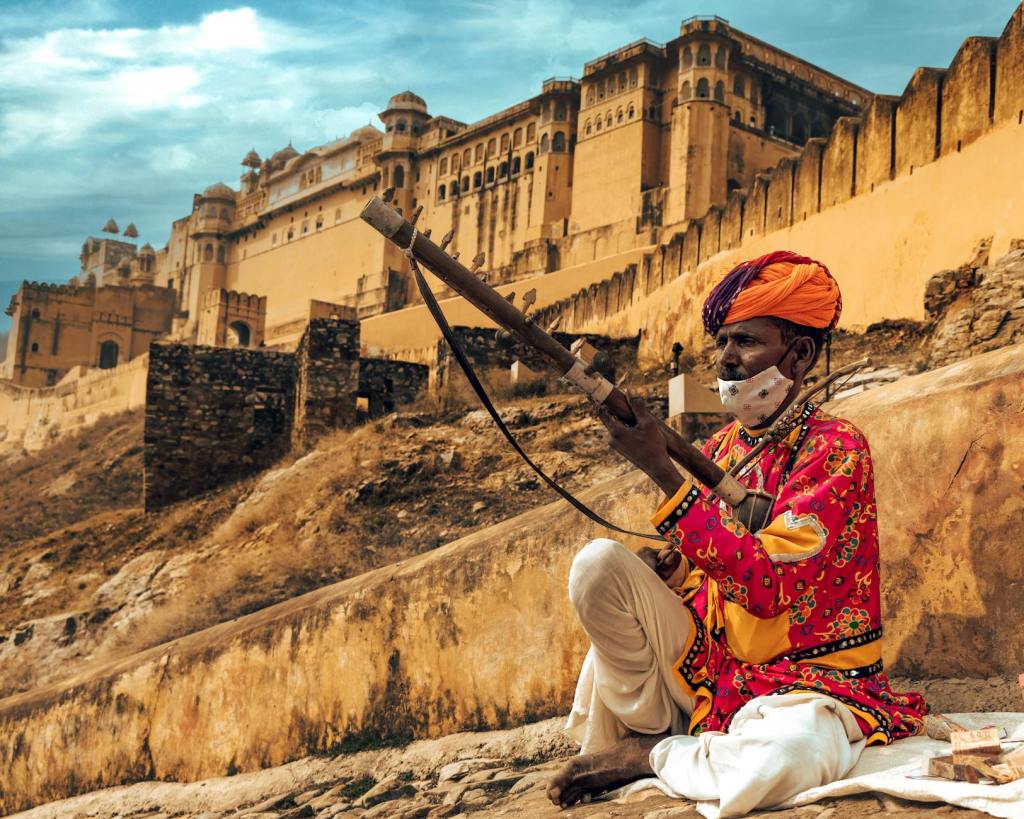
The brochure called it a “360-year-old fort converted into a luxury boutique hotel.” But the moment I walked through the carved sandstone gate in the fading afternoon light, I knew the brochure had undersold it.
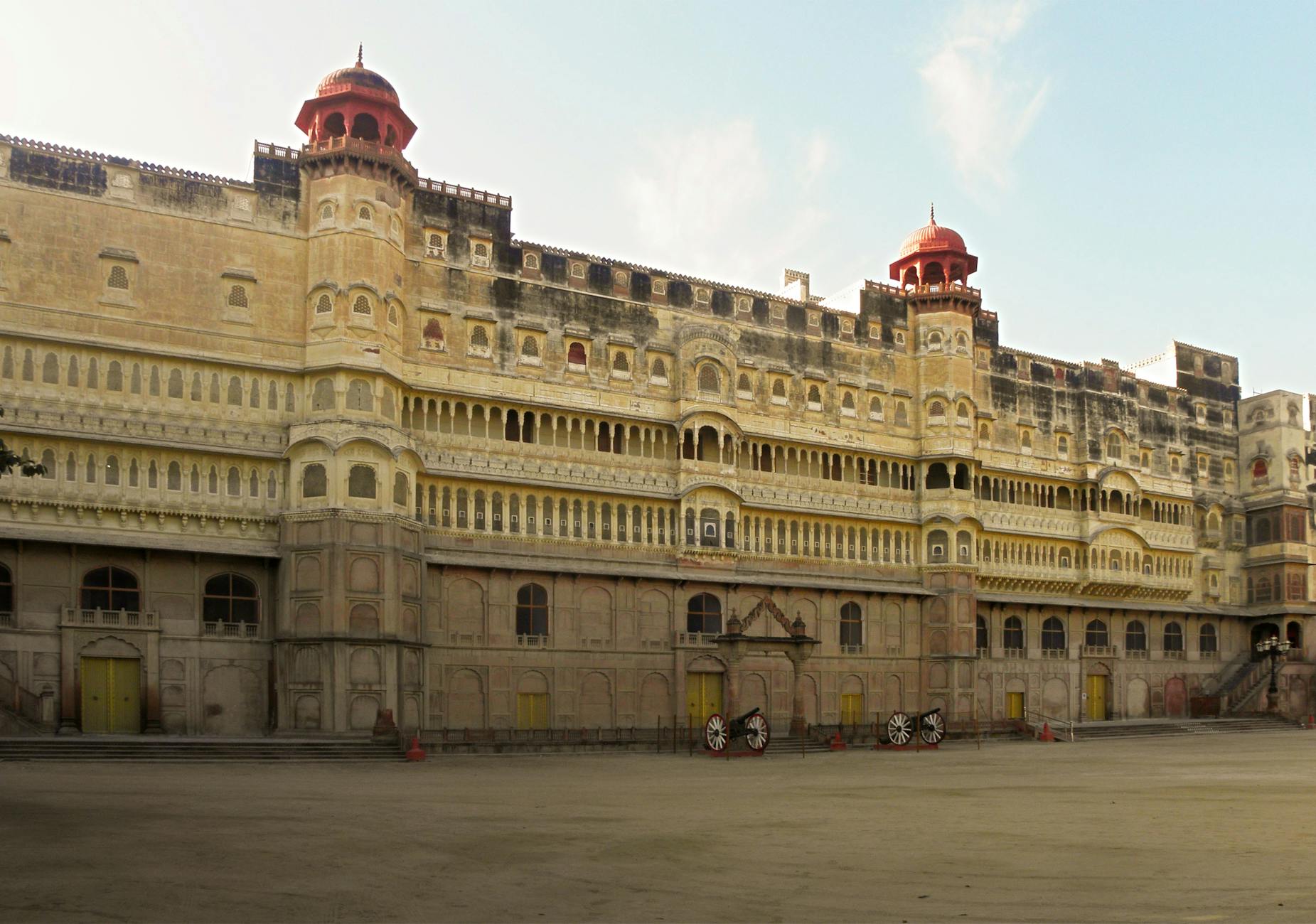
This was Rajasthan. This was not a property. This was a story.
I was there for what I now call a Plates & Places moment — the kind of visit where the food and the space are so intertwined that you cannot understand one without the other. And it was at dinner that evening, seated under an enormous, whirring antique fan in a hall whose walls had probably absorbed three centuries of gossip, that the fort gave up one of its secrets.
The dish that arrived at my table was a laal maas. I’ve eaten laal maas in fifteen different kitchens in the last decade. I thought I knew what it was. This was something else entirely.
* * *
The next morning, I asked to speak with the kitchen.
This is something I always do when I travel for Plates & Places. I ask to see the kitchen. The answer you get tells you everything about a property’s food philosophy. The ones that say yes, immediately, with no hesitation — those are the ones worth writing about. The ones that pause and offer you a tour of the wine cellar instead — well.
They said yes.
I was taken to the back of the property, past the restored courtyards and the curated handicraft shop and the pool that had been cleverly fitted into what was once a water cistern, into a kitchen that was half-modern, half-ancient. Stainless steel counters alongside a wood-fired chulha. Industrial refrigerators next to hand-painted spice jars that looked like they hadn’t been relabelled in forty years.
The head chef — a third-generation local man whose grandfather had cooked in this same kitchen when it was still a private residence — showed me the spice blend.
It had twenty-two ingredients.
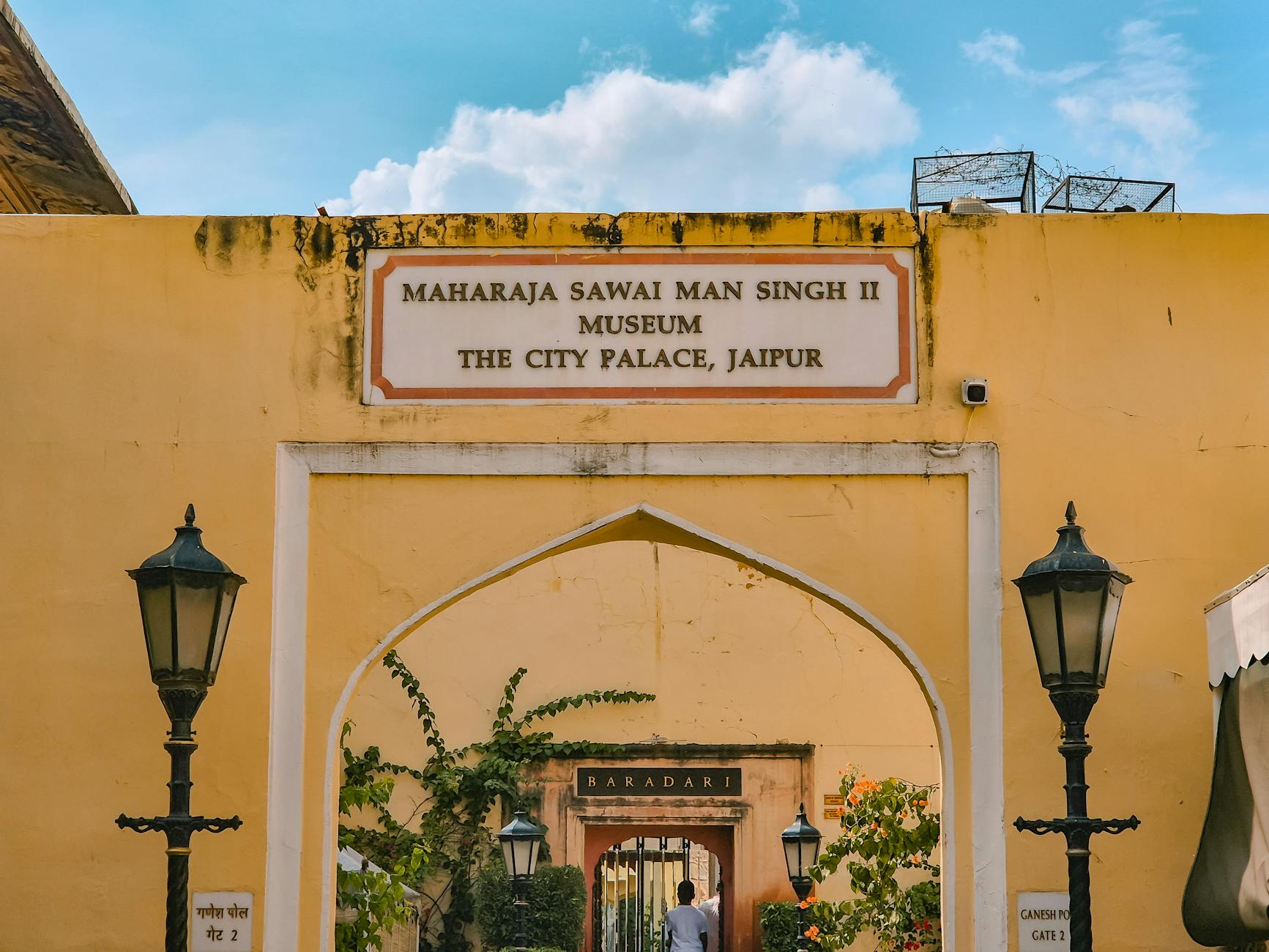
I won’t list them all here, partly because some were unfamiliar to me and I’d need to do more research, and partly because I’m not sure it’s mine to share. But one ingredient stood out: a dried berry — small, wrinkled, almost black — that the chef called by a local name I couldn’t spell. “The family always used it,” he said simply. “We don’t find it easily now. We get it from one village, one family.”
That’s the sentence that stayed with me. One village. One family.
* * *
Heritage properties in India sit at a fascinating intersection of architecture, family history, and food memory. The forts and havelis and royal residences that have been converted into hotels — and there are hundreds of them now, across Rajasthan, Madhya Pradesh, Gujarat, the Konkan coast — carry in their kitchens something that no amount of hotel school training can replicate.
They carry lineage.
The recipes in these kitchens were not developed by a food and beverage committee. They were not the result of market research or trend analysis or a chef flown in from a European property. They evolved over generations, shaped by what grew locally, what the family liked, what the seasons demanded, what the land offered.
Pushpesh Pant — whose writing I return to again and again — once said that authenticity in food is a moving goalpost. What matters, he argued, is the integrity of the ingredients and the story they tell. That dried berry in the laal maas? That is integrity. That is story.
* * *
What troubles me — and I say this as someone who has worked in hotel F&B and understands the commercial pressures — is how often this lineage gets quietly erased when a property converts.
The new ownership wants a menu that appeals to international guests. The investment deck requires certain room-rate benchmarks. The head chef from the city brings their own portfolio. And the third-generation cook who knew what to do with that dried berry gets moved to staff meals or the breakfast station.
I’ve watched this happen. I’ve sat in planning meetings where it happened. And every time, something irreplaceable walks out of the kitchen.
The great heritage properties — the ones that truly deserve the name — are the ones that treat their culinary lineage as an asset, not a liability. They put the local cook’s name on the menu. They tell the story of the spice blend. They make the guest feel that they are not just eating dinner but participating in something continuous and alive.
* * *
At that fort in Rajasthan, the dinner menu had a small paragraph in italics at the bottom. It described the spice tradition of the royal kitchen, named the family who had cooked there for three generations, and mentioned — without specifics — the use of foraged mountain ingredients.
It was maybe seventy words. But it transformed the meal.
Guests at my table — a couple from Pune who told me they usually stuck to Italian on holiday — were reading it aloud to each other. “This is actually interesting,” the woman said to her husband, and there was surprise in her voice. She hadn’t expected a hotel menu to make her feel something.
That’s what food storytelling does. It takes an experience from the stomach to the heart.
* * *
The best thing any heritage property can do is not restore its architecture. Architecture can be restored with money and an architect’s drawings. The harder task — and the more meaningful one — is to restore the kitchen’s memory. To find the old recipes, the old spice blends, the old processes, and honour them. Not as museum pieces. As living, breathing food that someone is actually cooking, and eating, and talking about.
Every heritage fort has a secret recipe nobody talks about. The properties that will endure are the ones that start talking.
* * *
Have you ever eaten something at a heritage property that you couldn’t find anywhere else? What was it, and what did it taste like? I’d love to know.
─────────────────────────────────────────────────────────────────
askrahulcollective.com | Food, Books, Birds & More!
 Ask Rahul Collective
Leave a comment